
Silent Movie 144
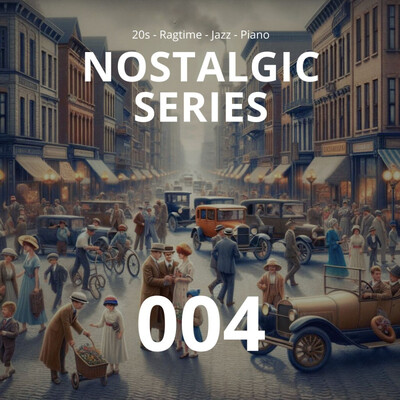
A lively, vintage-inspired piano cue bursting with whimsical energy and ragtime charm. Featuring bouncy, syncopated melodies and a classic stride bassline, this incredibly nostalgic track captures the magic of early cinema. It is an absolutely perfect underscore for comedic moments, slapstick routines, retro video games, historical documentaries, and playful advertising campaigns.
Free, commercial use included. The one condition is attribution: CC BY 4.0
About this track
When evaluating vintage-style instrumental cues, authenticity and character are everything. This track immediately establishes a delightful, nostalgic atmosphere that captures the essence of classic early 20th-century cinema. Built around a remarkably expressive upright piano, the composition leans heavily into stride and ragtime traditions, delivering a jaunty, syncopated rhythm that feels incredibly alive and dynamic. The production quality balances historical charm with modern clarity, giving the piano a slightly weathered, honky-tonk timbre without sacrificing frequency balance or dynamic range. It sounds distinctly retro but mixes effortlessly into contemporary media projects.
What makes this piece particularly valuable for media placement is its unmistakable mood. It inherently carries a sense of whimsy, lighthearted physical comedy, and bustling energy. For film and television supervisors, this is an absolutely perfect drop-in cue for scenes requiring a touch of historical parody, slapstick humor, or retro pastiche. Imagine a frantic montage in a historical documentary about the 1920s, or a stylized comedic sequence where a character finds themselves in a hopelessly chaotic, fast-paced situation. The energetic tempo and bouncing basslines naturally sync with physical movement on screen, making it a dream for video editors working on fast cuts and comedic reveals.
Beyond traditional broadcast and film sync, this composition offers massive potential in the digital content space. YouTube creators and podcasters often search for instrumental music that can provide an ironic or playful underscore for fail compilations, cooking disasters, or fast-forwarded DIY timelapses. The sprightly, infectious melody keeps the audience engaged without stepping on the toes of a voiceover. In the video game industry, this track would fit seamlessly into a quirky indie title, perhaps serving as the background music for a mini-game, a bustling saloon setting, or a nostalgic menu screen. The structural arrangement is highly editor-friendly, featuring natural build-ups, pauses, and a satisfying resolution that allows music editors to easily chop and loop specific phrases as needed.
The instrumentation is sparse but incredibly effective. The focal point is undoubtedly the lively piano work, which exhibits impressive finger-work and a fantastic sense of swing. The lack of overwhelming modern orchestration is exactly what gives it its charm; it doesn't try to be a massive cinematic hybrid, but rather excels at being a specialized, character-rich vignette. There is a specific warmth to the mid-range frequencies that evokes a sense of bygone eras, making it highly suitable for brands looking to invoke heritage, classic craftsmanship, or a playful vintage aesthetic in their advertising campaigns. The melodic phrasing relies on clever syncopation, jumping between playful staccato notes and sweeping glissandos that instantly draw a smile. Event planners could utilize this as upbeat walk-in music for a roaring twenties themed gala, while corporate video producers might use it to inject much-needed levity into an otherwise dry presentation about historical company milestones. It is a brilliant example of functional production music that never compromises on musicality, delivering an authentic, toe-tapping experience that elevates whatever visual it accompanies.
Classification
Find similar →Genres
Moods
Tags