She's gone
Poignant acoustic piano arpeggios intertwine with a mournful, weeping cello melody, creating a deeply introspective and bittersweet atmosphere. This delicate instrumental arrangement is ideal for tender dramatic scenes, reflective character monologues, biographical documentaries, or emotional montages detailing grief, memory, and personal loss.
Miễn phí, dùng cho mục đích thương mại cũng được. Điều kiện duy nhất là ghi công: CC BY 4.0
Về bản nhạc này
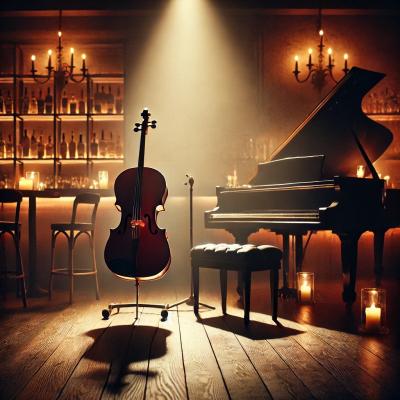
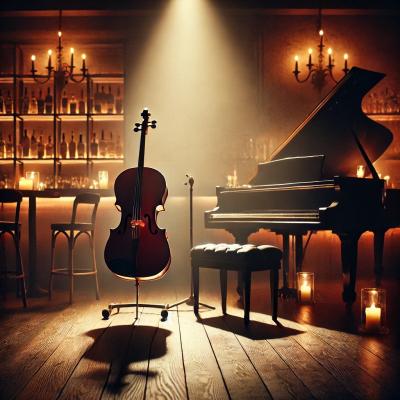
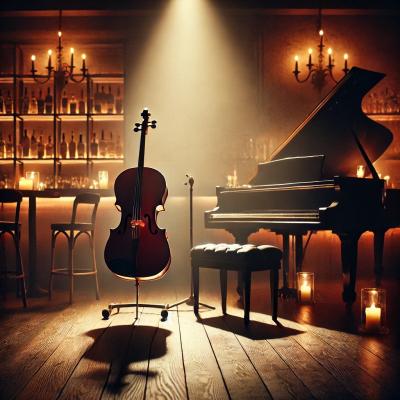
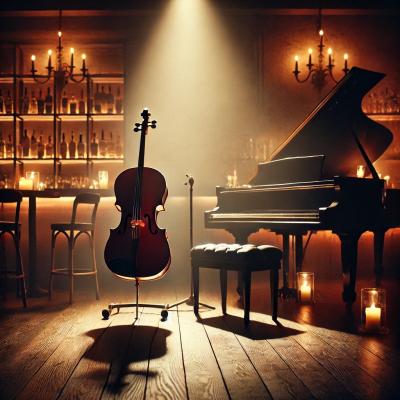
The track centers around a stark, intimate dialogue between a solo acoustic piano and a single cello. The piano provides a steady, rolling arpeggiated foundation, grounded in a sombre minor key, utilizing soft mallet strikes that emphasize the organic wood and felt textures of the instrument. The cello enters with an aching, sustained vibrato, cutting through the silence with raw emotional resonance. There are no synthetic elements or artificial reverbs cluttering the mix; the production is dry, clean, and highly intimate, placing the listener in the same room as the performers.
Musically, the piece progresses through a beautifully measured emotional arc. It begins in utter solitude, with the piano setting up a reflective rhythmic loop that feels like a quiet heartbeat. When the cello makes its entry, it immediately elevates the tension, transforming quiet isolation into active, palpable grief. Around the mid-point, the arrangement undergoes a powerful dynamic shift. The cello climbs into its upper register, delivering a sweeping, impassioned performance where the notes seem to bend under the weight of longing. The piano responds with increased velocity and density in its chords, heightening the drama without breaking the delicate acoustic boundary. In the final phase, the energy recedes, leaving the piano to gently whisper the opening motif before drifting into a silent, unresolved decay.
This sparse yet highly expressive configuration makes the piece an invaluable asset for film, television, and narrative podcasting. It is exceptionally well-suited for character-driven dramas depicting intense personal struggles, bereavement, or the bittersweet recollection of past memories. The absence of percussion and brass allows the music to sit comfortably beneath dialogue without distracting from a voiceover or a subtle acting performance. Music supervisors will find it highly effective for slow-paced montage sequences, closing credits of a prestige drama episode, or historical documentaries looking to underscore tragedy with dignity and restraint. Its organic warmth ensures that even the saddest moments retain a sense of profound human empathy and beauty.

![6. Baroque (Gentle Dignity) [Cinematic Underscore Loops - The Core Collection]](https://ende.app/storage/cover/thumbnail/10f85986-8a90-4211-b00a-bd96fe32661f.jpg)