They have lost Kursk by Sascha Ende
Deeply emotive and melancholic, featuring an expressive solo cello that transitions into a poignant piano passage. Perfect for conveying sorrow, reflection, loss, or profound dramatic weight in film, documentaries, and introspective scenes.
- लाइसेंस CC BY 4.0
- रिलीज़ (Released) 20.08.2024
-
शैलियाँ (Genres)
-
विषय (Topics)
-
मूड्स (Moods)
-
टैग्स
Hybrid digital production workflow using licensed AI-assisted tools. Fully cleared for commercial use.
They have lost Kursk
20.08.2024
4,705
351
Deeply emotive and melancholic, featuring an expressive solo cello that transitions into a poignant piano passage. Perfect for conveying sorrow, reflection, loss, or profound dramatic weight in film, documentaries, and introspective scenes.

/
02:51
Additional Information
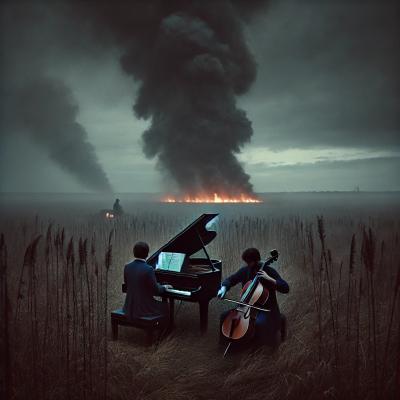
Amidst a haunting landscape of burning fields, a lone piano and cello weave a tale of loss and despair. The deep, resonant notes of the cello echo the gravity of the moment, while the piano’s delicate melodies bring a melancholic sense of remembrance. Together, they capture the sorrow of a war-torn land, painting a somber reflection on history’s tragedies.
मिलता-जुलता संगीत (Similar) (10)

Cinema Blockbuster Trailer 4
24.12.2013
3,589
186
Solemn piano notes intertwine with swelling orchestral strings and ethereal choir pads, building slowly towards a grand, emotional climax. Perfect for poignant cinematic moments, dramatic reveals, reflective scenes, or trailers needing a touch of epic melancholy and grandeur.

/
01:20

The Children Of MH17
24.07.2014
28,911
2,329
A deeply moving and poignant orchestral piece, opening with reflective piano and evolving with lush, sweeping strings. Builds gradually to a powerful, dramatic climax before resolving into a thoughtful close. Ideal for cinematic drama, documentaries, memorial tributes, and emotionally resonant storytelling.

/
03:37
The Day After Tomorrow
04.06.2015
12,596
1,119
एक प्रभावशाली ऑर्केस्ट्रल टुकड़ा जो मार्मिक, चिंतनशील स्ट्रिंग्स से शुरू होकर, भव्य, आशावादी भव्यता तक विकसित होता है। शक्तिशाली भावनाओं को जगाता है, जो नाटकीय फिल्म स्कोर, विस्तृत सिनेमैटिक क्षण, चिंतनशील मोनटैज और भावनात्मक गहराई की आवश्यकता वाले महाकाव्य कथाओं के लिए आदर्श है।

/
03:49
Begegnung (Romeos Erbe)
28.09.2017
3,912
237
समृद्ध, भावनात्मक स्ट्रिंग एनसेंबल एक मार्मिक और नाटकीय अंडरस्कोर प्रदान करता है। यह फिल्म के उन क्षणों के लिए आदर्श है जिनमें चिंतन, हानि या गंभीर कहानी कहने की आवश्यकता होती है। यह गहरी भावना और गंभीरता को जगाता है।

/
00:43
Wiedersehen (Romeos Erbe)
29.09.2017
3,479
213
शानदार ऑर्केस्ट्रल स्ट्रिंग्स और शक्तिशाली कोर वाद्य संयोजन एक गहरा भावनात्मक और सिनेमैटिक ध्वनि परिदृश्य बनाते हैं। उदासी, नाटक और मार्मिक चिंतन की भावनाएं पैदा करता है, और महाकाव्य ऊंचाइयों तक जाता है। नाटकीय फिल्म स्कोर, ऐतिहासिक टुकड़ों, ट्रेलर और गहन भावनात्मक वजन की आवश्यकता वाले दृश्यों के लिए आदर्श।

/
02:41
Leaving The Hangar
19.01.2023
5,558
277
Elegant and poignant orchestral strings build with emotion. Lush harmonies create a sophisticated, dramatic, and slightly hopeful atmosphere, perfect for cinematic storytelling, corporate presentations, or reflective moments.

/
01:15

Moonlight Awakening
15.11.2023
2,622
96
A poignant and introspective solo piano piece, evoking feelings of melancholy, reflection, and quiet elegance. Ideal for dramatic film scenes, nostalgic moments, or thoughtful content.

/
03:21
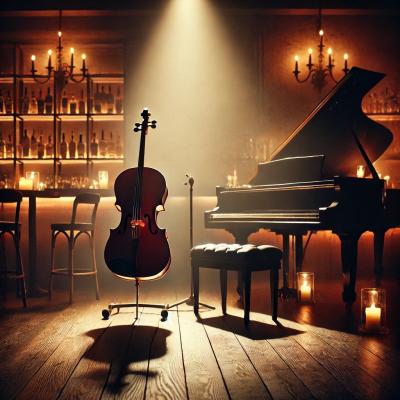
Bar Performance 6: Solo Cello & Piano
02.12.2024
1,820
120
एक एकल सेलो और पियानो के बीच एक अंतरंग और भावपूर्ण संवाद। गहरी उदासी, सुरुचि और नाटकीय तनाव को जगाता है, जो मार्मिक फिल्म दृश्यों, ऐतिहासिक नाटकों या चिंतनशील क्षणों के लिए एकदम सही है।

/
02:12
![Battlefield 6 Streaming Music Vol. 32 [Defeat]](https://ende.app/storage/cover/thumbnail/dce1fc4e-97b5-4499-a711-60b9e64b6098.jpg)
336
14
एक गहरा और गंभीर ऑर्केस्ट्रल टुकड़ा, जिसमें एक उदास वाद्य यंत्र की धुन एक मार्च की ताल पर बजती है। शानदार तार और शक्तिशाली ब्रास एक नाटकीय, भावनात्मक चरमोत्कर्ष की ओर बढ़ते हैं। हानि, चिंतन, ऐतिहासिक नाटक, या संघर्ष के बाद के दृश्यों के लिए आदर्श।

/
04:27
![Adagio For Strings [kinda]](https://ende.app/storage/cover/thumbnail/b85cc798-9c59-407a-92e5-4c5e3c9aac64.jpg)
Adagio For Strings [kinda]
19.09.2025
1,681
139
A profoundly emotional and cinematic string orchestra piece. It begins with solemn, mournful melodies that swell into a powerful, heart-wrenching crescendo before receding into quiet contemplation. Perfect for dramatic film scenes, poignant memorials, and moments of deep tragedy or reflection.

/
03:25
From the very first note, 'They have lost Kursk' establishes itself as a piece of profound emotional depth and exceptional utility for specific, high-impact media placements. This isn't background filler; it's a foreground statement piece, carried initially by an incredibly expressive solo cello performance. The recording quality is intimate and immediate – you can almost feel the rosin on the bow, hear the subtle nuances of vibrato and articulation. This raw, unadorned quality lends it immense power for scenes demanding authenticity and vulnerability.
The atmosphere is undeniably melancholic, bordering on sorrowful, yet imbued with a certain dignity and grace. It’s the kind of cue that can instantly add gravitas to a historical documentary, particularly segments dealing with loss, remembrance, or the human cost of conflict. Imagine this underscoring black-and-white archival footage, personal testimonies, or slow pans across landscapes scarred by time or tragedy – it creates an instant connection, bypassing intellectual understanding to hit the viewer directly in the heart.
Its usability extends significantly into narrative film and television. Think poignant character moments, farewells, scenes depicting grief or quiet despair. The slow tempo and spacious phrasing allow ample room for dialogue or potent visuals to breathe. The cello's voice here is almost human in its expressiveness, capable of carrying the emotional weight of a scene entirely on its own. It’s perfect for those moments where words fail, allowing the music to articulate the unspoken. The transition around the two-minute mark introduces a solo piano, shifting the texture while maintaining the core emotional resonance. This section feels slightly more composed, perhaps offering a touch of reflection or acceptance after the cello's raw lament. This structural shift adds versatility, potentially scoring different phases of a character's emotional journey or providing a subtle change in perspective within a longer sequence.
While its somber nature makes it unsuitable for upbeat advertising or lighthearted content, its strength lies precisely in this specificity. For creators needing to evoke genuine pathos, introspection, or historical weight, this track is a standout. It’s ideal for serious podcast intros/outros, memorial videos, art-house film projects, or even specific moments in narrative-driven video games requiring a deep emotional anchor. The production is clean and professional, focusing entirely on the quality of the performance and the natural resonance of the instruments. There's no unnecessary reverb or processing, just pure, impactful sound. This track offers directors and editors a powerful tool for crafting scenes that resonate long after the credits roll. It feels timeless, authentic, and deeply moving – a valuable asset for any library focused on high-quality dramatic scoring.
The atmosphere is undeniably melancholic, bordering on sorrowful, yet imbued with a certain dignity and grace. It’s the kind of cue that can instantly add gravitas to a historical documentary, particularly segments dealing with loss, remembrance, or the human cost of conflict. Imagine this underscoring black-and-white archival footage, personal testimonies, or slow pans across landscapes scarred by time or tragedy – it creates an instant connection, bypassing intellectual understanding to hit the viewer directly in the heart.
Its usability extends significantly into narrative film and television. Think poignant character moments, farewells, scenes depicting grief or quiet despair. The slow tempo and spacious phrasing allow ample room for dialogue or potent visuals to breathe. The cello's voice here is almost human in its expressiveness, capable of carrying the emotional weight of a scene entirely on its own. It’s perfect for those moments where words fail, allowing the music to articulate the unspoken. The transition around the two-minute mark introduces a solo piano, shifting the texture while maintaining the core emotional resonance. This section feels slightly more composed, perhaps offering a touch of reflection or acceptance after the cello's raw lament. This structural shift adds versatility, potentially scoring different phases of a character's emotional journey or providing a subtle change in perspective within a longer sequence.
While its somber nature makes it unsuitable for upbeat advertising or lighthearted content, its strength lies precisely in this specificity. For creators needing to evoke genuine pathos, introspection, or historical weight, this track is a standout. It’s ideal for serious podcast intros/outros, memorial videos, art-house film projects, or even specific moments in narrative-driven video games requiring a deep emotional anchor. The production is clean and professional, focusing entirely on the quality of the performance and the natural resonance of the instruments. There's no unnecessary reverb or processing, just pure, impactful sound. This track offers directors and editors a powerful tool for crafting scenes that resonate long after the credits roll. It feels timeless, authentic, and deeply moving – a valuable asset for any library focused on high-quality dramatic scoring.